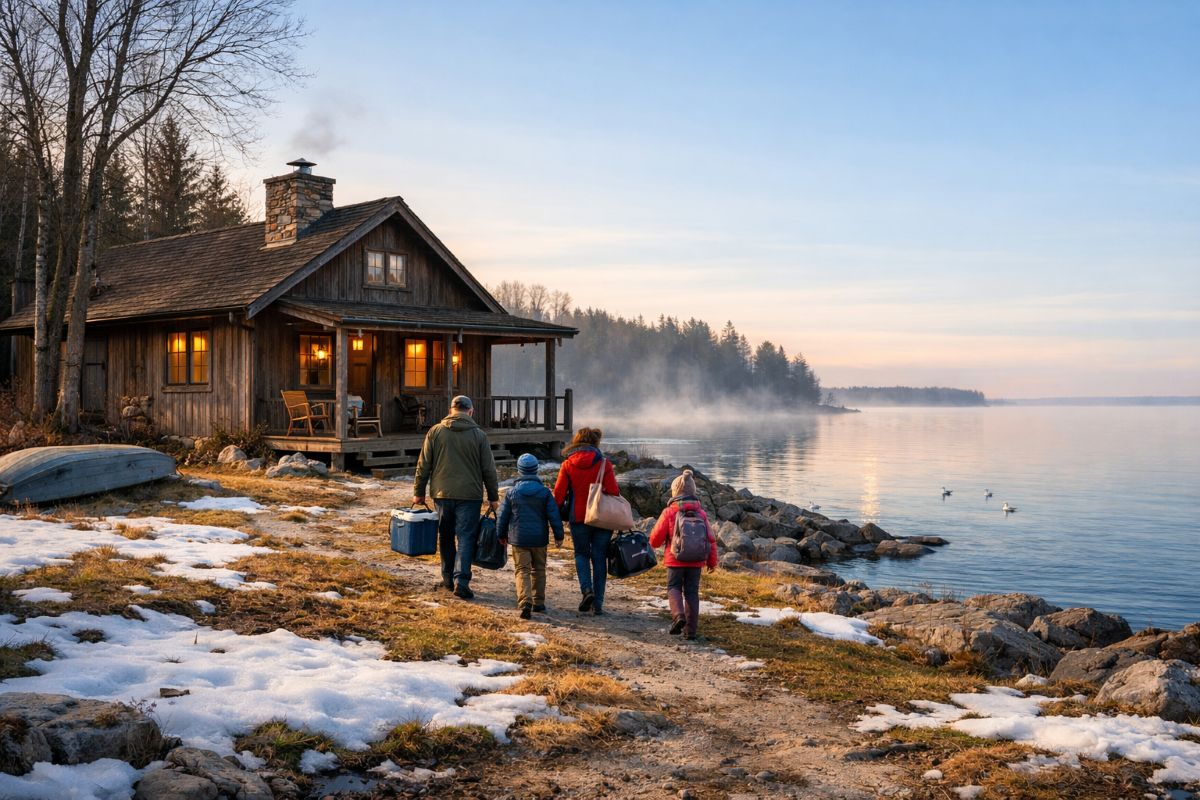


The first trip back to your cottage Great Lakes after a long winter is always memorable. The snow has melted, the air is cool and fresh, and the lake slowly comes back to life. But before you relax on the dock or fire up the grill, it’s important to go through a proper reopening routine. This spring, learn how to Open Up Your Great Lakes Cottage.
Knowing how to open up your cottage safely helps prevent problems with plumbing, electrical systems, and winter damage that may have occurred while the property sat unused. A careful walkthrough, followed by a thorough spring cleaning, will make sure your place is comfortable, safe, and ready for the season ahead.
If you properly winterized your cottage the prior fall, then opening up should be a snap. Follow these steps to effectively Open Up Your Great Lakes Cottage for the season. This step-by-step checklist will help you get your cottage up and running quickly so you can focus on enjoying the months ahead.
Table of Contents
First Walkthrough – Check for Winter Damage

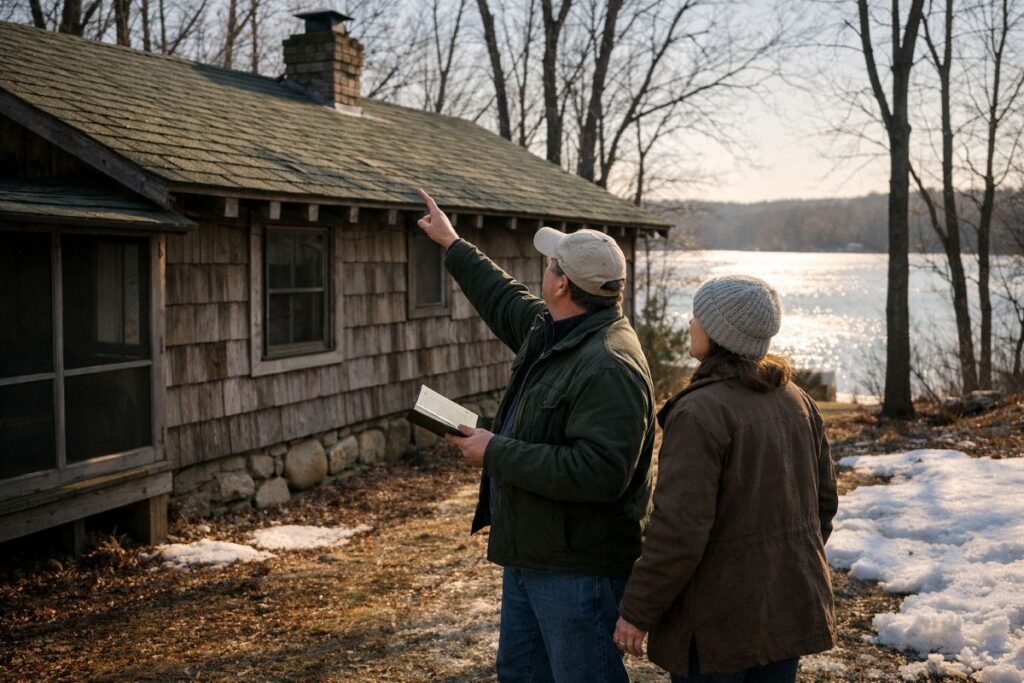
Before turning on utilities or moving furniture around, start with a careful inspection of the entire property.
Winter weather around the Great Lakes can be tough on seasonal homes. Snow loads, freezing temperatures, and wind may leave behind issues that need attention.
During your walkthrough, check for:
- Missing or damaged roof shingles
- Loose siding or trim
- Cracks in the foundation
- Broken window seals or damaged screens
- Deck boards or railings that shifted during winter
- Signs of animals inside or around the cottage
Take your time during this step. Spotting issues early can prevent larger repairs later. Walk around the outside first, then check the interior for water stains, unusual smells, or other signs of trouble.
Restore Power, Water, and Utilities
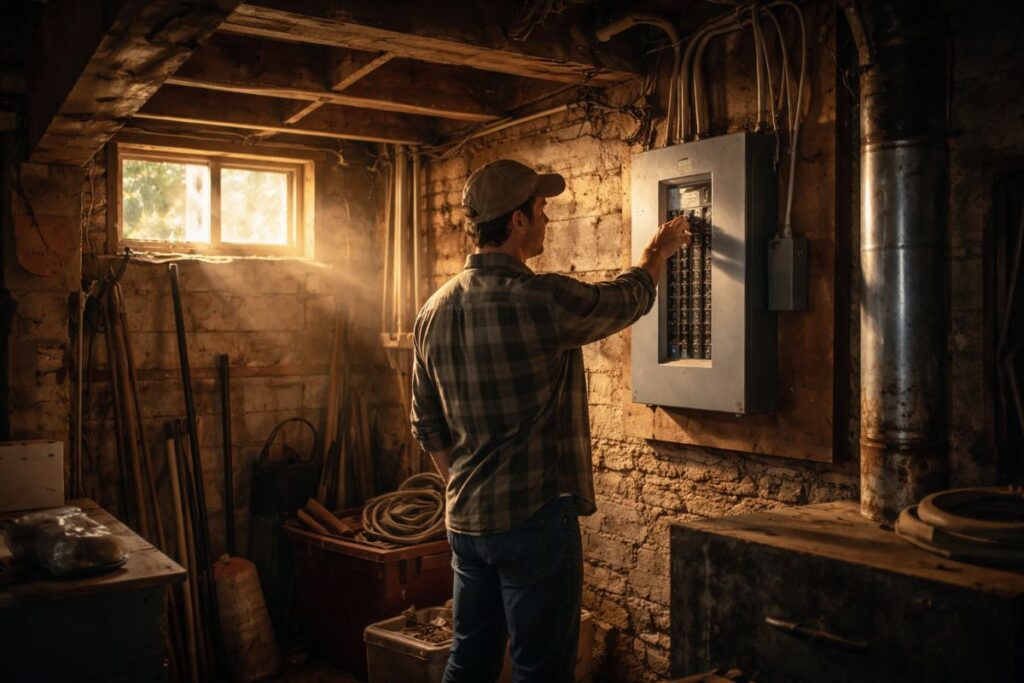
Once the property passes the initial inspection, you can begin restoring the essential systems. This is a key part of learning how to properly open your cottage.
Start with electricity.
Head to the breaker panel and turn on the main breaker if it was shut off for the winter. Test a few lights and outlets to confirm power is working throughout the building.
Next, move to the water system.
Turn the main water supply back on slowly. If your cottage was winterized in the fall, pipes should already be drained and protected. As water begins flowing again, inspect all plumbing lines and fixtures for leaks.
You should also:
- Reconnect or activate the water heater
- Check propane or gas connections
- Test appliances like the stove and refrigerator
- Replace batteries in smoke and carbon monoxide detectors
Taking a few minutes to verify these systems now can prevent bigger issues later in the season.
Plumbing and Water System Check
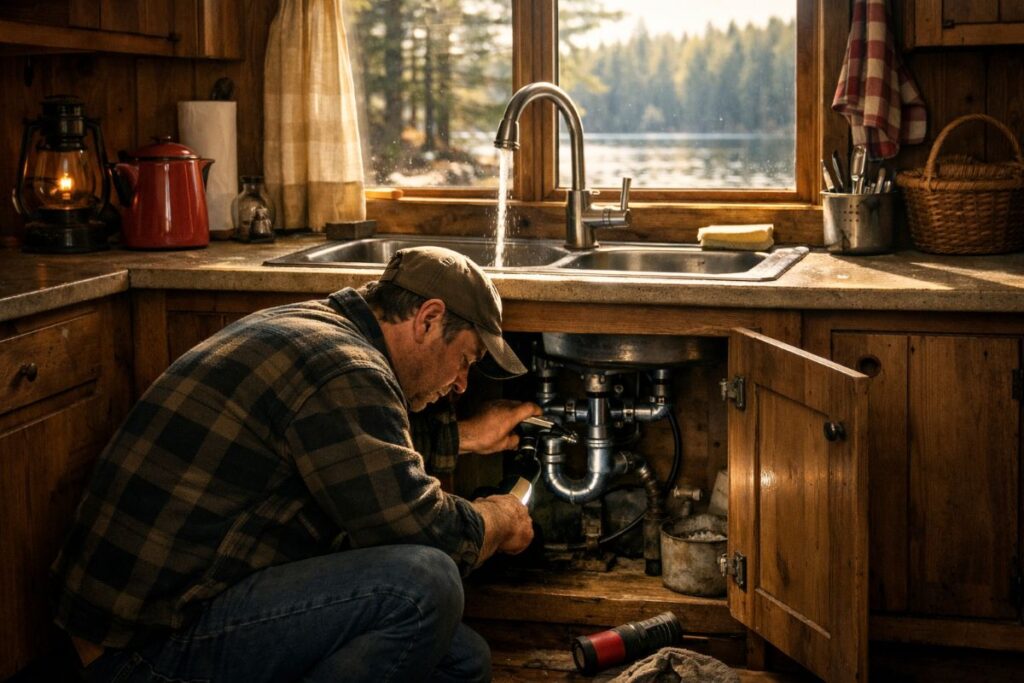
After water is flowing again, run through a complete plumbing check.
Many cottages require antifreeze in sinks, showers, and toilets during winterization. When reopening the property, you’ll want to flush those lines thoroughly.
Steps to follow:
- Flush toilets several times
- Run water in all sinks and showers
- Check under sinks for slow leaks
- Inspect exposed pipes in basements or crawl spaces
- Test sump pumps if your cottage has one
Allow water to run for several minutes in each fixture. This clears any remaining antifreeze and stagnant water from the system.
Plumbing is one of the most important areas when learning how to open up your cottage, so don’t rush this step.
Deep Spring Cleaning
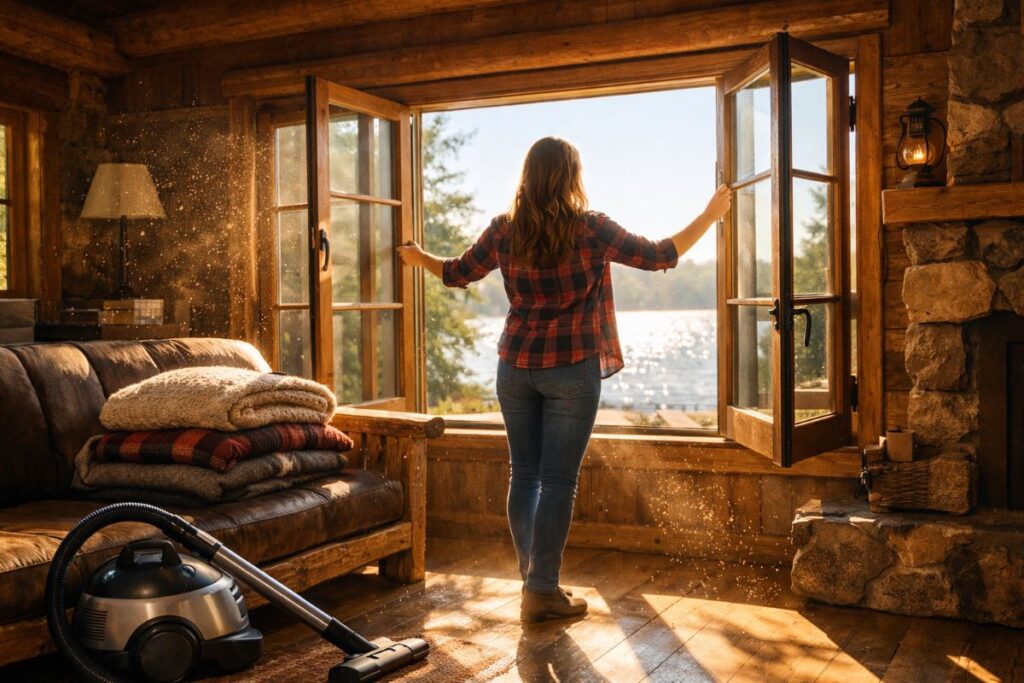
After months of closed windows and little air circulation, most cottages need a solid spring cleaning before the season begins.
Start by opening windows and letting fresh air move through the building.
Then move room by room.
Kitchen
- Wipe down cabinets and countertops
- Clean the refrigerator and freezer
- Check pantry items for pests or expired food
- Wash dishes and cookware that sat all winter
Living Areas
- Vacuum furniture and floors
- Dust shelves, lamps, and ceiling fans
- Wash blankets and cushion covers
- Clean window glass and screens
Bathrooms
- Disinfect sinks, toilets, and tubs
- Replace old towels or supplies
- Run hot water to refresh plumbing lines
A thorough spring cleaning makes the cottage feel fresh again and helps remove dust or moisture that collected during winter.
Outdoor Areas and Dock Preparation
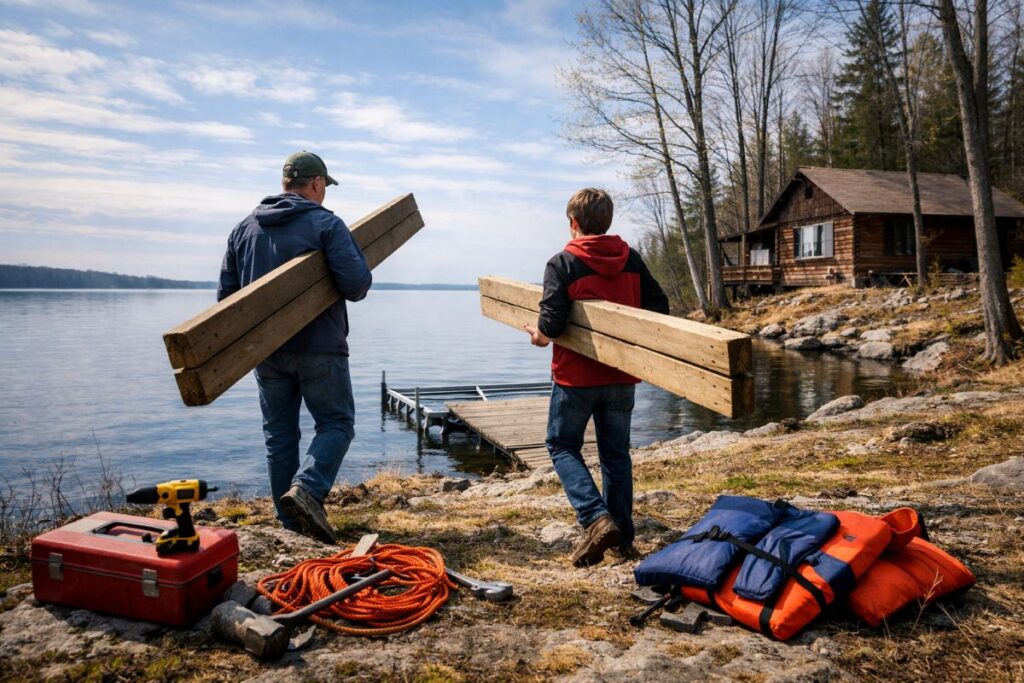
Once the interior is ready, shift your focus outside.
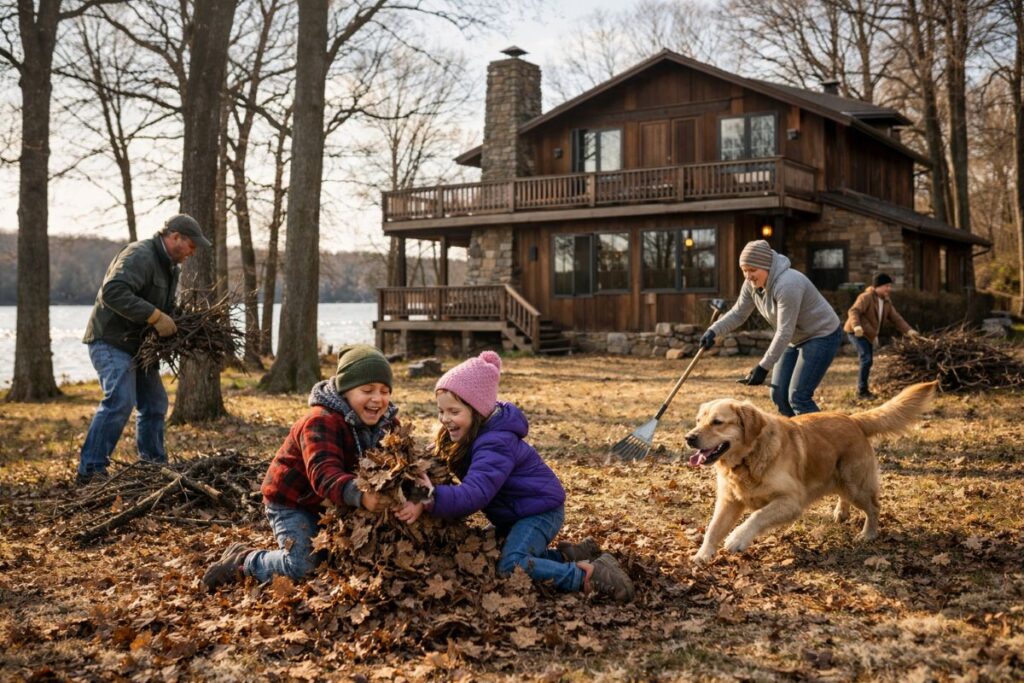
Spring storms often scatter branches, leaves, and debris around cottage properties. Clearing these areas improves safety and appearance.
Outdoor tasks may include:
- Raking leaves and clearing fallen branches
- Cleaning gutters and downspouts
- Checking docks and boat lifts for winter damage
- Setting up outdoor furniture
- Inspecting grills and fire pits
If your cottage sits directly on the lake, examine the shoreline and dock supports carefully before using them. Ice movement during winter can sometimes loosen or shift structures.
Preparing outdoor areas is one of the most satisfying parts of opening a cottage on the Great Lakes for the season.
Pest Prevention and Fresh Air
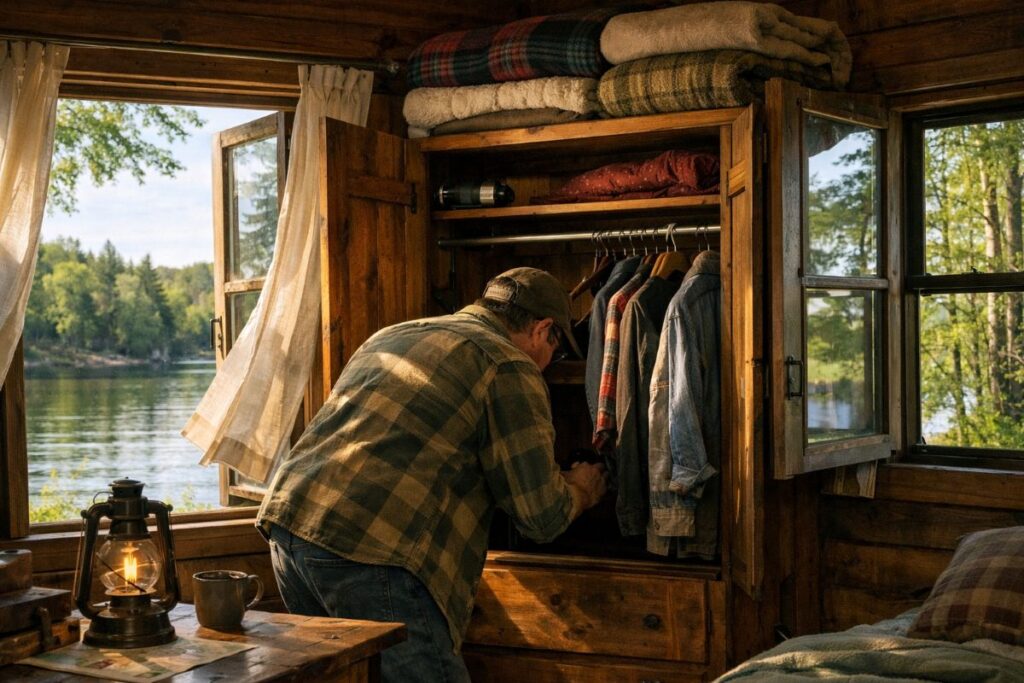
A closed cottage can sometimes attract mice, insects, or other animals looking for shelter.
Check cupboards, closets, and storage areas for signs of droppings, nesting materials, or chewed packaging.
If needed:
- Set traps or repellents
- Seal small gaps around pipes or vents
- Remove food sources that may attract animals
Replacing furnace or HVAC filters also helps improve air quality after the building has been closed for months.
Finally, allow plenty of fresh air to circulate through the cottage during the first day or two of reopening.
Stock and Prepare for the Season
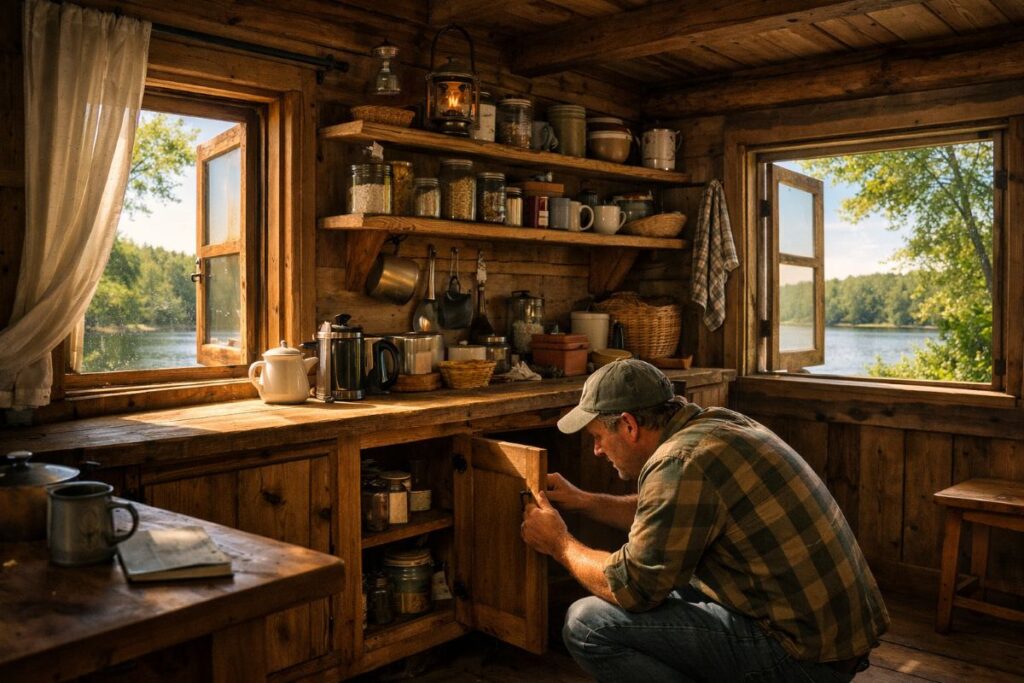
With systems running and cleaning complete, you can start preparing for cottage living.
Restock the basics that make weekends at the lake easier.
Typical tasks include:
- Refilling pantry staples
- Checking life jackets and boating equipment
- Inspecting lawn tools and outdoor gear
- Stacking firewood for cool evenings
- Testing outdoor lighting around the property
This final step turns a newly opened cottage into a comfortable place for family and friends.
Final Thoughts About Opening Up Your Cottage
Opening a seasonal property after winter takes time, but following a clear plan makes the process easier.
By learning how to open up your cottage properly, you can check for winter damage, restore utilities safely, complete a thorough spring cleaning, and prepare your cottage Great Lakes retreat for months of relaxation.
A careful reopening not only protects your property but also helps ensure that the season starts smoothly.
Soon enough, the work will be done—and you’ll be able to sit back, enjoy the view of the lake, and make the most of another cottage season.
FAQ on Opening Up A Cottage for Spring

When should you open your cottage for the season?
Usually after the last hard frost in your area, often late April or May in many Great Lakes regions.
What should you check first when reopening a cottage?
Inspect the exterior and roof for winter damage before turning on utilities.
How long does it take to open a cottage for the season?
Yes. Run water through all fixtures to clear antifreeze and stagnant water.
What cleaning tasks are most important in spring?
Focus on kitchens, bathrooms, windows, and air circulation.