 by
by A cottage can look perfect during a sunny showing while hiding problems involving septic capacity, shoreline access, winter roads, or insurance. Buyers should verify the property’s legal, structural, and seasonal realities before making an offer.
That is where expensive mistakes can begin. Seasonal properties often rely on private wells, septic systems, shared roads, and access rights created decades ago. A cottage that works well in July may have frozen pipes, limited winter access, or insurance problems by January.
Table of Contents
Avoid Pitfalls When Buying a Seasonal Cottage or Cabin
Before buying a seasonal cottage, buyers should verify the property’s legal rights, private systems, structural condition, and continuing costs. The listing and seller’s disclosure provide a starting point, but they do not replace inspections, official records, or written confirmation from local authorities. These 10 questions can help buyers separate a sound purchase from a costly summer fantasy.
1. What Kind of Water Access Comes With the Property?
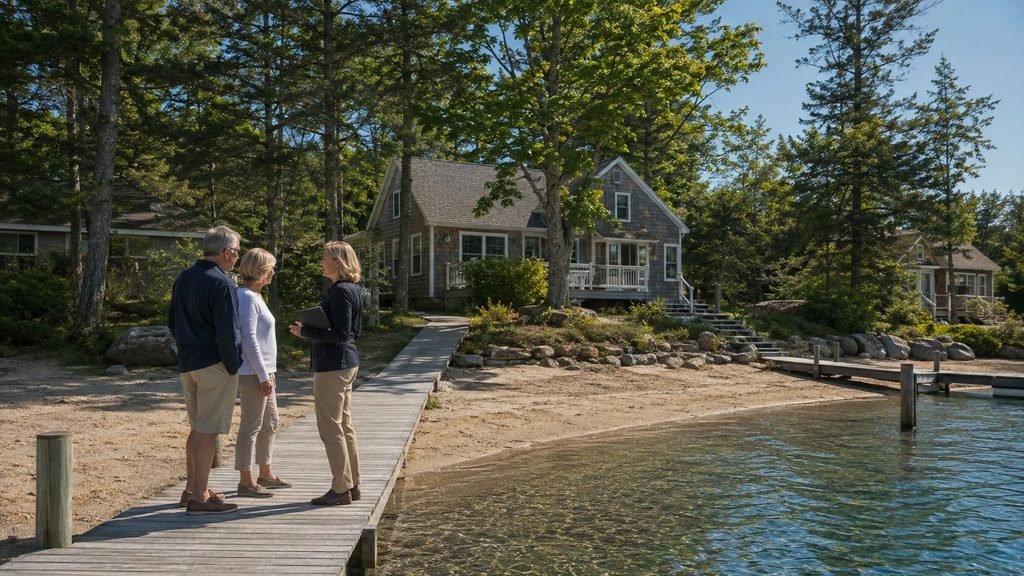
When buying a seasonal cottage, you will see real estate listings often use terms such as “waterfront,” “lake access,” “beach rights,” and “lake privileges.” Those terms do not always mean the same thing. Buyers should ask who owns the land between the cottage and the water and exactly what rights transfer with the sale.
A parcel that reaches the water may carry riparian or littoral rights, subject to the deed, recorded plat, and applicable law. A cottage located away from the shore may reach the water through a recorded easement, association property, or nearby public access. Each arrangement can carry different rules for swimming, docking, launching boats, storing equipment, and inviting guests.
Michigan court decisions show why the wording matters. The Michigan Court of Appeals has held that an easement providing access to the water does not automatically grant the right to install a dock. The language creating the easement determines which rights were granted, according to the court’s decision in William E. Marcus Trust v. Chad Apap.
Buyers should request the deed, recorded plat, title commitment, access easements, and association documents. Those records should answer several basic questions: Who may use the beach? Can owners install docks or lifts? Are boats allowed to remain overnight? Do renters and guests receive the same rights as owners?
Association rules also deserve close review. Some lake associations limit the number of boats, restrict personal watercraft, assign dock spaces, or prohibit storing equipment along the shore. Buyers should confirm whether these rules are recorded, how they may be changed, and whether the association has pending disputes.
Long-standing use is not the same as a recorded right. A seller may have crossed a neighbor’s property or used a dock for years with informal permission. That permission may end when either property changes hands.
The largest warning sign is a promise of lake access that cannot be supported by a recorded document. Buyers should resolve uncertainty before making an unconditional commitment. If the wording remains unclear, a Michigan real estate attorney should review the documents.
2. Do the Deed, Survey and Property Lines Agree?
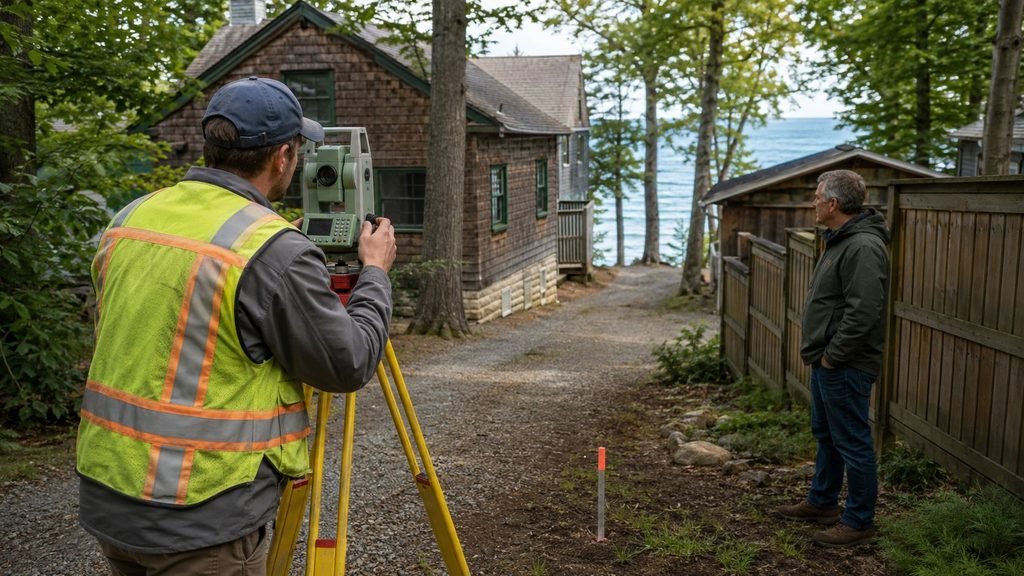
Many cottage communities were divided into narrow lots long before modern homes, garages and septic systems arrived. Over time, owners added sheds, fences, driveways and decks based on old markers or informal agreements. The visible yard may not match the land described in the deed.
A current survey can show where the legal boundaries sit in relation to the cottage and other improvements. Ask a licensed surveyor to identify corners, buildings, driveways, and known easements. Buyers should not assume a fence, row of trees or worn path marks the true boundary.
The survey should be compared with the deed’s legal description and the title commitment. The title review may identify mortgages, liens, use restrictions, and recorded rights held by neighbors, utilities, or associations. Any difference between the documents should be resolved before closing.
Title insurance also needs careful attention. A lender’s title policy protects the mortgage lender, not the buyer’s equity. The Consumer Financial Protection Bureau advises buyers to consider an owner’s title policy to protect their financial interest against covered title problems.
An owner’s title policy does not replace a survey or legal review. Policies contain exclusions and exceptions, and a boundary problem may not receive coverage if it was never identified or included. Buyers should ask the title company to explain what the proposed policy covers and which matters remain excluded.
The property should also be walked after the survey is complete. Locate the corners and determine whether the garage, shed, septic field, well, dock, and driveway sit within the expected boundaries. Check whether neighboring buildings, fences or utilities cross onto the property.
A few feet can matter on a small cottage lot. An encroaching garage may complicate financing or future construction. A septic field crossing a boundary can create an even larger problem because the buyer may not control the land needed to operate or replace the system.
Missing survey markers, conflicting legal descriptions, and handshake agreements are serious warning signs. Resolve them in writing before closing. Once the sale is complete, the new owner inherits the property dispute along with the keys.
3. Has the Septic System Received a Real Inspection?
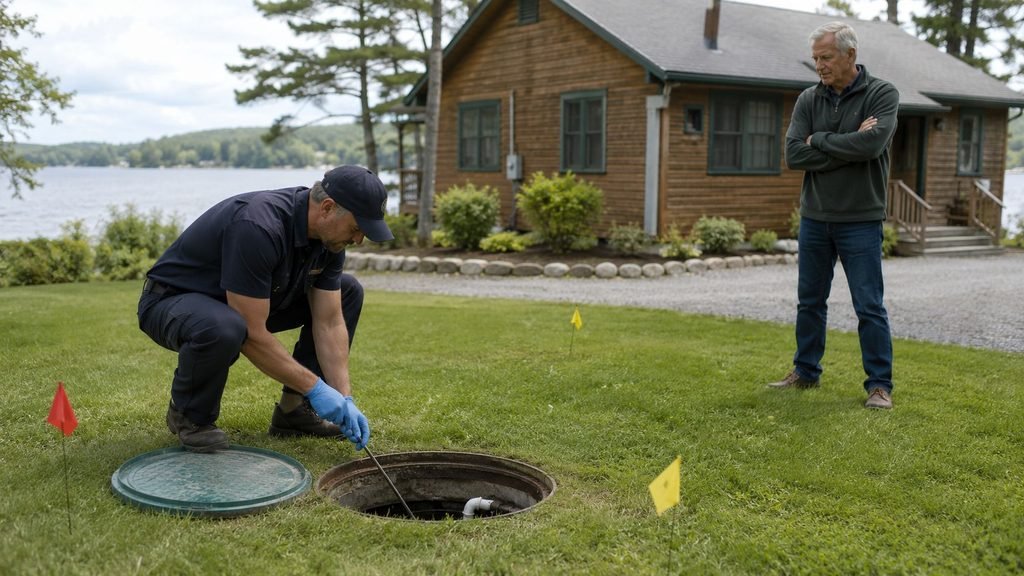
A septic system may be the most expensive part of a cottage that buyers cannot see. The tank and drain field sit underground, and light seasonal use can hide problems that would become obvious in a year-round home. A cottage may appear trouble-free simply because nobody has used the plumbing heavily for months.
Begin by asking for the original septic permit, system design, installation date, and repair history. The records should show the tank size, drain field location, and the number of bedrooms the system was designed to serve. Compare that approved capacity with the cottage’s current bedroom count and expected number of occupants.
This review matters when owners have converted porches, lofts, or storage rooms into sleeping areas. A four-bedroom cottage may still have a septic system approved for only two bedrooms. That mismatch could limit future use, remodeling plans or resale.
Pumping the tank is not the same as inspecting the system. A pumping receipt shows that waste was removed on a certain date. It does not prove that the tank, distribution box, pipes, and drain field are working properly.
The U.S. Environmental Protection Agency’s homebuyer guide recommends having the system inspected before purchase. A full inspection may include reviewing permits and maintenance records, opening the tank, checking sludge levels, examining accessible components, and evaluating the drain field. The exact procedure will depend on the system and local requirements.
Buyers should hire an independent septic professional rather than relying solely on information provided by the seller. The inspector should identify the tank and drain field on the property and note signs of leakage, damage, or improper alterations. Ask for a written report with photographs when possible.
The local health department should also be contacted. Michigan’s onsite wastewater rules and approval procedures are largely administered through local health departments, so requirements can differ by county. Local files may contain permits, inspection reports, repair orders, or drawings that the current owner no longer has.
Small waterfront lots can make septic replacement difficult. A new system may require sufficient suitable soil, proper setbacks, and a replacement area not occupied by a building, driveway, or well. Michigan’s Well Construction Code generally requires at least 50 feet between a private residential well and a septic system, though some local sanitary codes require greater separation, according to Michigan EGLE.
Ask what would happen if the existing system failed. Is there enough land for a conventional replacement? Would an engineered system be required? Is a municipal sewer planned, and would the property face a connection charge or special assessment?
Possible warning signs include sewage odors, slow drains, plumbing backups, and wet or unusually lush areas over the drain field. None of these conditions alone provides a complete diagnosis, but each deserves professional review. Fresh soil, newly planted grass or landscaping over the septic area should also prompt questions.
The purchase agreement should allow sufficient time for title checks and an independent inspection. If the system cannot be located or tested, buyers should treat that uncertainty as a financial risk. A vague promise that the septic system has never caused trouble is not an inspection report.
4. Is the Well Documented and the Water Safe?
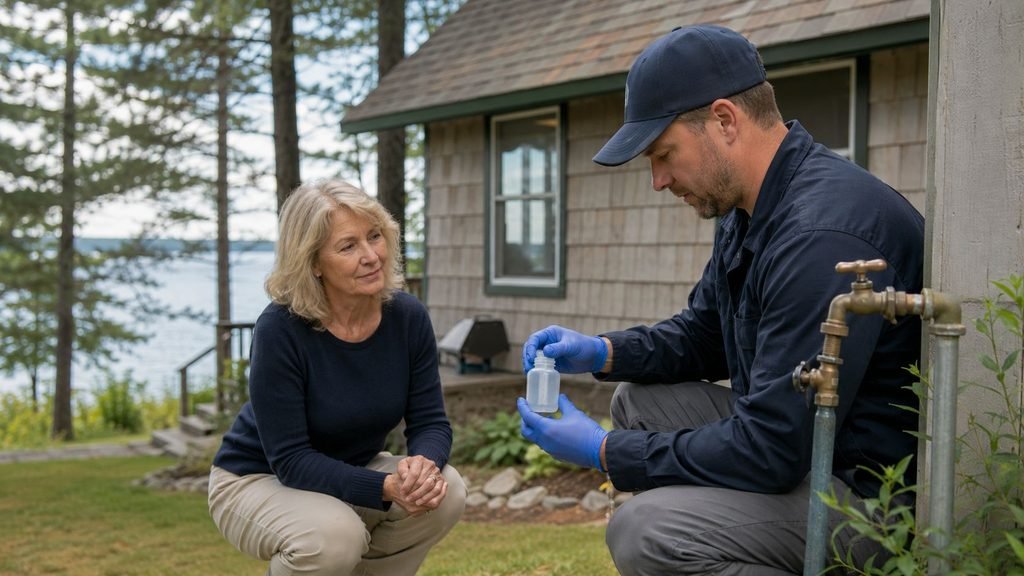
Clear water is not necessarily safe water. Harmful bacteria, nitrate, arsenic, and other contaminants may not affect the water’s taste, smell, or appearance. Buyers should rely on laboratory results rather than a glass drawn during the showing.
Private well owners carry responsibility for their drinking water. Private domestic wells are generally not regulated under the federal Safe Drinking Water Act, according to the U.S. Environmental Protection Agency. That makes testing and maintenance especially important when buying a seasonal cottage or cabin.
Ask the seller for the well log, installation record, and recent laboratory reports. The well log may identify the drilling date, depth, casing, and underground formations reached during construction. It can also help a contractor understand the system if repairs become necessary.
Michigan buyers can search for available records through EGLE’s Water Well Viewer. The map shows well information and may also display nearby wellhead protection areas, underground storage tanks, and known contamination sites. Some older wells may not appear, and mapped locations can contain errors, so the tool should support—not replace—an on-site inspection.
Order a new water test through a qualified laboratory. Follow the laboratory’s sampling instructions and make sure the sample comes from the property’s active well. Michigan EGLE lists common testing concerns, including coliform bacteria, nitrate, nitrite, hardness, and several metals, on its private well testing page.
Local conditions should guide any added tests. Nearby farming, old fuel tanks, industrial sites, landfills or naturally occurring minerals may create different concerns. The county health department or laboratory can advise which tests make sense for that location.
Water quality and water quantity are separate issues. A well may produce safe water but recover too slowly for showers, laundry, and a house full of weekend guests. Ask about low-pressure problems and consider a flow or recovery test if the well’s capacity is uncertain.
Inspect the visible well casing and cap. The casing should be protected from surface water, physical damage, and nearby contamination sources. Buried wellheads, damaged caps, and standing water around the casing deserve closer review.
Water-treatment equipment also needs attention. Softeners, iron filters, ultraviolet systems, and reverse-osmosis units may improve the water, but they require maintenance and may mask an underlying problem during a brief inspection. Ask why each device was installed, when it was last serviced, and how much replacement filters or treatment media cost.
If possible, test the untreated water before it passes through treatment equipment. This helps show the well’s basic condition and whether the equipment addresses hardness, odor, bacteria, or other concerns. Buyers should also confirm that replacement parts and qualified service are available locally.
Missing records do not automatically make an older well unusable. They do, however, increase uncertainty and make inspection and testing more important. A failed laboratory test, unexplained dependence on bottled water, or refusal to permit testing should stop the transaction until the cause is understood.
5. What Condition Are the Seasonal Systems and Structure In?
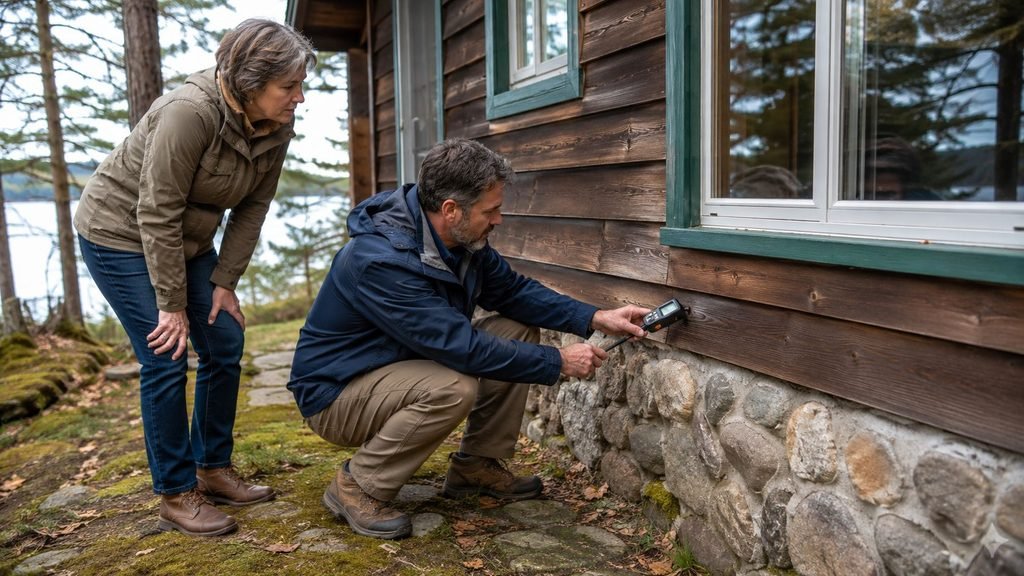
Seasonal cottages face a different kind of wear than year-round homes. Months of limited use can allow roof leaks, pests, moisture and plumbing failures to go unnoticed. A closed cottage may also receive little ventilation during the dampest or coldest parts of the year.
- Hire an independent inspector who understands older cottages and the construction methods involved. A conventional home inspector may not have experience with log walls, stone foundations, unheated crawl spaces, private utilities, or seasonal plumbing. Ask what the inspection covers before scheduling it.
- All major systems should be operating during the inspection. Turn on the water, electricity, heating equipment, and water heater when conditions allow. If a system remains shut down, the inspector cannot confirm that it works or check it under normal demand.
- The foundation and crawl space deserve close attention. Look for standing water, damp soil, cracked supports, sagging floors, and damaged floor joists. Musty odors, mold-like growth, and extensive use of dehumidifiers may indicate a moisture problem that requires further testing.
- Older cottages sometimes rest on piers, blocks, or foundations that have shifted over time. Minor settling does not always mean the building is unsafe, but uneven floors, sticking doors, and visible movement should be reviewed by a professional. A structural engineer may be needed if the inspector finds serious cracking or settlement.
- Check the roof, flashing, gutters and drainage. Water should be directed away from the building rather than allowed to collect near the foundation. Fresh ceiling paint, stained rafters and repaired drywall may indicate an old leak, a current leak or routine maintenance, so buyers should ask for records.
- Log cabins require added scrutiny. Inspect lower logs, corners, window openings, and areas near decks for softness, insect damage, and rot. Failed chinking, deep cracks, and poor roof overhangs can allow water into the walls.
- Winterization can reveal how carefully the property has been maintained. Ask the seller to explain the closing procedure for the cottage, including how water lines are drained, how the well pump is protected, and whether antifreeze is used in plumbing traps. Request repair records for frozen pipes, damaged fixtures, and water leaks.
- Heating equipment should be tested even if the buyer expects to use the property only during summer. A working heat source can protect the cottage during cold nights and extend the season. Confirm whether the heating system is permanent, properly installed, and adequate for the building.
- Wood stoves, fireplaces and chimneys require their own inspection. Ask for installation permits, cleaning records, and the most recent professional evaluation. The buyer’s insurance company may have rules concerning wood-burning equipment, hearth protection and chimney condition.
- Older electrical systems may also affect safety and insurance. The inspector should examine the service panel, visible wiring, outlets, and grounding. Extension cords used as permanent wiring, overloaded panels, and do-it-yourself alterations need closer review by a licensed electrician.
Do not assume the standard inspection covers every structure. Detached garages, sheds, docks, seawalls, decks, wells and septic systems may fall outside the inspector’s normal scope. Buyers should list these items in advance and arrange added inspections when needed.
A home inspection is also different from an appraisal. An appraisal estimates value for the lender, while an inspection examines the property’s physical condition. The Consumer Financial Protection Bureau advises buyers to arrange an independent inspection as soon as possible after an offer is accepted.
Warning signs include utilities that cannot be turned on, strong air fresheners covering musty odors, and belongings stacked against foundation walls. Recently painted areas beneath windows or along ceilings deserve questions. None of these details proves a defect, but each gives the inspector a reason to look more closely.
6. What Are the Flood, Erosion and Shoreline Risks?
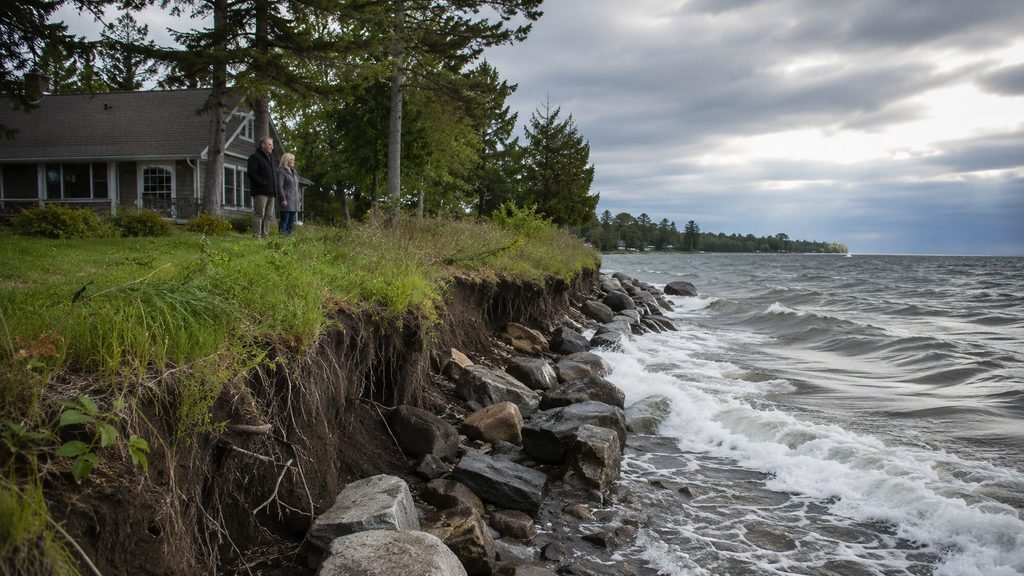
A calm shoreline during a showing provides only a brief view of conditions. Water levels, wave action, ice, runoff and severe storms can change how a property functions. Buyers should examine both the current shoreline and its recorded history.
Start by checking the address through the FEMA Flood Map Service Center. Flood maps identify official risk zones and help lenders determine whether flood insurance is required. They do not guarantee that a property outside a mapped high-risk area will remain dry.
Ask the seller about past flooding, standing water, sewer backups, and shoreline damage. Review the seller’s disclosure, insurance claim history, and repair invoices. Neighbors may also know whether the road, yard, crawl space or beach has flooded during high-water years.
Great Lakes buyers face added erosion concerns. Michigan has designated about 250 miles along Lakes Michigan, Superior, and Huron as high-risk erosion areas. EGLE’s township maps show designated areas and required setbacks.
A bluff may appear stable while losing soil during storms or spring runoff. Look for exposed roots, leaning trees, fresh cracks, collapsed banks, and shifted steps. Ask how the shoreline has changed over the past 10 or 20 years rather than relying only on its current position.
Low-lying inland lake properties carry different concerns. Ice movement can damage docks, decks, and shore structures. Heavy rain can push water toward the cottage when lots lack proper drainage or when roads and neighboring properties sit higher.
Any seawall, riprap, fill, dredging, or other shoreline work should be checked for required permits. Michigan EGLE states that shoreline projects at or below the ordinary high-water mark generally require authorization. Its inland lake shoreline protection guidance explains the state review process.
Ask for permits, plans, and contractor invoices for completed shoreline work. A new wall or pile of stone may look reassuring, but unpermitted or poorly designed work can shift erosion to another part of the property. The buyer may inherit the duty to correct it.
Insurance must be reviewed before the purchase contingency expires. Standard homeowners insurance does not cover flood damage, according to the Michigan Department of Insurance and Financial Services. A separate flood policy may be needed even when the lender does not require one.
Request written quotes for homeowners and flood coverage. Ask whether the policy covers water backup, detached buildings, docks, ice damage, and shoreline structures. Coverage for these items varies, and a low premium means little if the main risks are excluded.
Visit the property after heavy rain if the purchase schedule permits. Check the road, yard, crawl space, drainage ditches, and shoreline. Photographs taken in different seasons can also reveal conditions not visible during a summer showing.
Recent sandbags, fresh stone, buried drainage pipes and newly repaired foundation walls deserve explanation. A seller’s statement that the property has never flooded should, when possible, be supported by records. Shoreline risk cannot always be eliminated, but it should be understood and priced before closing.
7. Can the Cottage Be Financed and Insured?

Buyers should contact a lender and insurance agent before falling in love with a seasonal property. A buyer may qualify for a loan while the cottage does not. Limited winter access, missing utilities, an aging roof, or an unapproved heating system can complicate both financing and insurance.
Tell the lender exactly how the property will be used. A second home, seasonal cottage, and income-producing rental may receive different treatment. Buyers planning to rent the property should disclose that intention rather than assuming it will qualify under standard second-home terms.
The lender should also know whether the cottage has permanent heat, running water, a private road, or months when it cannot be reached. Freddie Mac’s current second-home guidance includes specific provisions for properties with seasonal limits on year-round occupancy. Eligibility still depends on the loan program, property, and borrower.
Begin this discussion before making an offer or include a financing contingency in the purchase agreement. A mortgage preapproval is based largely on the borrower’s finances and may not confirm that a particular cottage meets the lender’s property standards. Final approval can change after the appraisal, title review, and inspection.
Insurance should receive the same early attention. The Consumer Financial Protection Bureau recommends contacting several companies and comparing written quotes, coverage limits and deductibles. Lenders generally require acceptable homeowners insurance before closing.
Do not rely on the seller’s current premium. Insurance rates can depend on the buyer, coverage amount, deductible, property condition, and claim history. The seller may also have older coverage terms that are no longer offered to new customers.
An insurer may ask whether the cottage is occupied year-round, winterized when vacant, or checked on by someone while the owner is away. The company may also review the roof, electrical system, heating equipment, and distance from fire protection. Wood stoves, older wiring, and seasonal water systems can introduce additional requirements.
Ask whether the policy covers the cottage at full replacement cost or only its depreciated value. Market value and rebuilding cost are not the same. A modest cottage on valuable lakefront land may cost far more to rebuild than the structure appears to be worth.
Detached structures require their own review. Confirm coverage for garages, sheds, decks, and other improvements. Docks, boat lifts, seawalls, and shoreline structures may receive limited coverage or be subject to separate conditions.
Planned rentals must be disclosed to the insurance agent. A personal homeowners policy may not address every risk created by paying guests or frequent short-term use. Buyers should obtain written confirmation that the planned activity is covered rather than relying on a casual answer.
Flood coverage also remains separate from ordinary homeowners insurance. Even when the lender does not require a flood policy, the buyer may still face surface-water or shoreline risk. The decision should be based on the property’s condition and potential loss, not solely on the lender’s minimum requirements.
Cash buyers should complete the same insurance review. Paying without a mortgage removes the lender’s requirement for coverage, but it does not reduce the risk of fire, storm damage, or liability. Insurance trouble may also make the cottage harder to sell later.
Warning signs include an insurer refusing to issue a firm quote, a lender questioning legal access, or an application that describes the property differently from its actual use. Do not remove financing or insurance contingencies until the lender and insurer have reviewed the correct property details.
8. Who Maintains the Road and Essential Services?
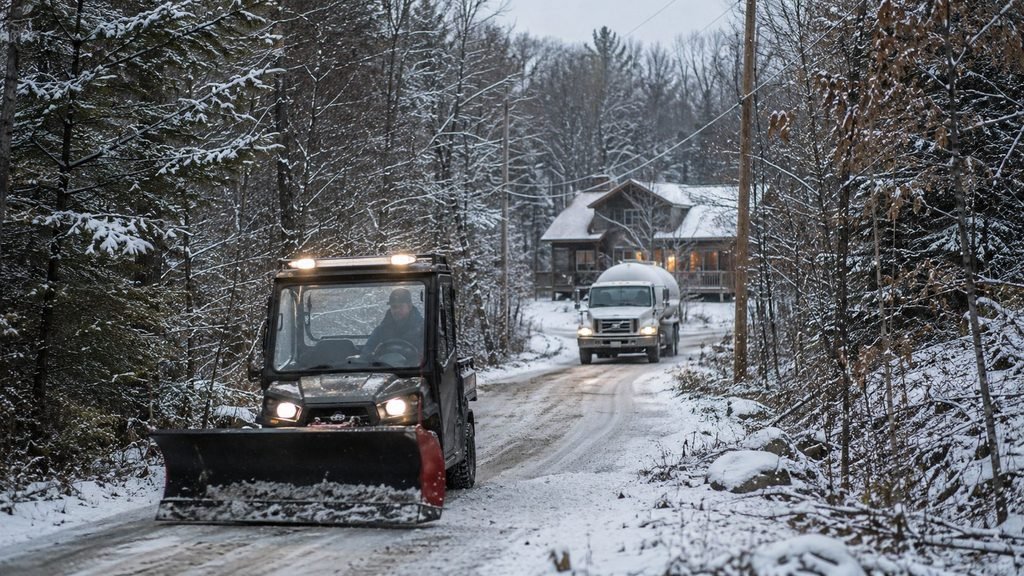
A cottage may sit only a few miles from town and still be difficult to reach during winter or severe weather. The road could be public, private, or maintained only during part of the year. A street sign or mailing address does not prove that a government agency plows or repairs it.
Ask the county road commission, township, or other local road agency who owns and maintains the road. If it is private, request the recorded access easement and maintenance agreement. The documents should show who may use the road and who pays for repairs.
A good maintenance agreement should address grading, gravel, snow removal, drainage, culverts, and tree clearing. It should also explain how costs are divided and how major repairs are approved. An informal collection among neighbors may work for years, but it offers little protection when an expensive problem arises.
Inspect the entire route to the property rather than just the driveway. Look for narrow sections, soft shoulders, low branches, steep grades, weak culverts, and areas where water collects. Ask whether delivery trucks, septic service vehicles and emergency equipment can reach the cottage.
Winter access needs specific questions. Who hires the snowplow, how quickly is the road cleared, and where is snow stored? A plowed path does not always mean the road remains wide or strong enough for an ambulance, a fire truck, or a fuel delivery truck.
Ask about past washouts, fallen trees, and road closures. Review any current bids, planned repairs, or special assessments. A low annual road fee can quickly change if a bridge, culvert, or long gravel section fails.
Electric service also deserves review. Ask about the frequency and length of outages, especially after storms. Determine whether trees threaten the service line and whether the property has overhead or underground power.
If a generator is included, confirm its ownership, condition, and connection method. A licensed electrician should review any permanent transfer equipment or generator inlet. Portable generators should never be treated as a substitute for a safe electrical connection.
Fuel delivery can become another seasonal issue. Propane and heating-oil trucks need adequate road and driveway access. Buyers should ask whether the tank is owned or leased, which company services it, and whether a contract transfers with the sale.
Garbage collection, mail delivery, and emergency addressing should also be confirmed. Some remote properties require owners to carry trash to a central collection point or maintain a roadside container. Make sure the address appears correctly in local emergency-response records.
Internet service should be verified at the exact address. The FCC National Broadband Map displays service that providers report as available, but that report does not prove an installation can be completed immediately. Contact the provider and ask whether it will accept an order for that location.
Test cellphone service inside and outside the cottage. One strong signal bar on the porch may not support reliable calls or data indoors. Buyers who plan to work remotely should test the service during busy weekends, when local networks may experience heavier traffic.
Private utilities require local service providers. Confirm that well contractors, septic pumpers, plumbers, and dock companies serve the address. Long travel distances or limited local competition can increase both wait times and service charges.
The main warning signs are unwritten road arrangements, unclear legal access, and nobody accepting responsibility for major repairs. Internet promises that cannot be confirmed by the provider deserve the same caution. Reliable access and services may not be exciting, but they determine whether the cottage remains usable after closing day.
9. Do Zoning and Association Rules Permit Your Plans?
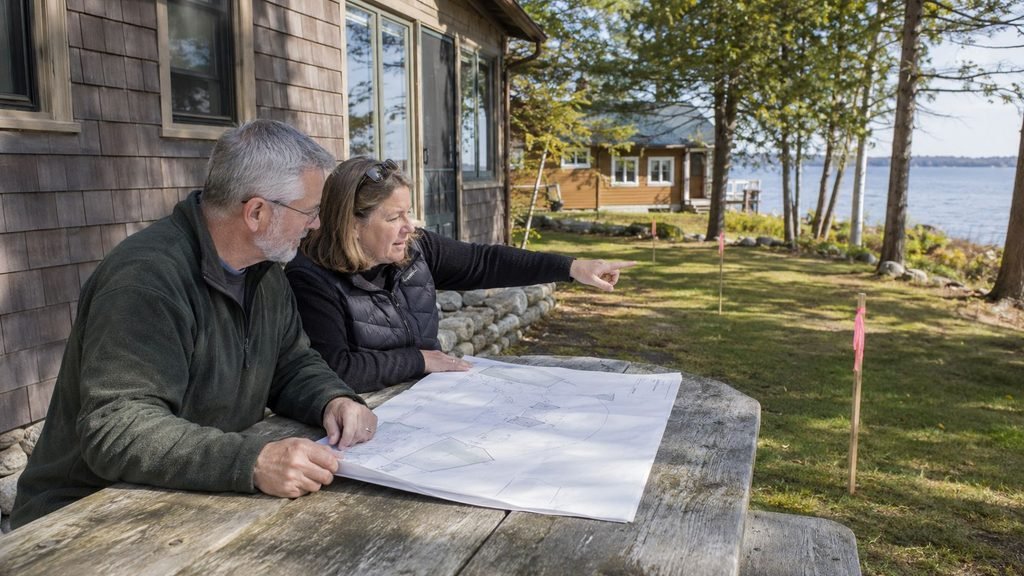
A cottage can meet the buyer’s needs today while failing to support tomorrow’s plans. Adding a bedroom, building a garage or operating a short-term rental may require permits or may be prohibited. Buyers should verify planned uses before committing to the property.
Start with the local zoning administrator. Provide the property address and parcel number, then ask how the property is zoned and whether the existing buildings comply with current requirements. Request written confirmation when the answer affects the purchase.
Older cottages often sit closer to the water, road or property line than current rules permit. The building may be allowed to remain as a legal nonconforming structure while facing limits on additions or rebuilding. Buyers should not assume they can replace an old cottage in the same location after a fire, flood or demolition.
Ask about setbacks, lot coverage, maximum building height and minimum lot size. These rules can affect additions, garages, sheds, decks and guest houses. A small waterfront lot may have little usable building area after all setbacks are applied.
The bedroom count also matters. A zoning approval does not override septic capacity or local health requirements. Converting a loft, porch or bonus room into sleeping space may require permits and a larger septic system.
Request the permit history for the cottage and all major improvements. Review building, electrical, plumbing, mechanical and shoreline permits when applicable. Finished rooms, decks, wood stoves and sheds without records deserve added scrutiny.
Buyers considering short-term rentals should check current local rules directly. Ask whether rentals are permitted, whether registration or inspection is required and whether occupancy or parking limits apply. Do not rely on the fact that the seller or a neighbor has rented in the past.
Association documents may impose tighter limits than local zoning. Review the deed restrictions, bylaws, rules, meeting minutes, financial statements and pending assessments. Pay attention to restrictions involving rentals, docks, boats, pets, parking, trailers and guest use.
Vacant land included with a cottage needs its own review. A separate tax parcel does not guarantee that the lot can be divided, sold or built upon. Confirm road frontage, access, setbacks, utilities and septic suitability before assigning value to its development potential.
Claims that a use is grandfathered should be supported by official records. Verbal assurances from a seller, agent or neighbor are not enough. If the planned use is essential to the purchase, make written approval part of the buyer’s due diligence.
10. What Will the Cottage Really Cost Each Year?

The purchase price is only the first number in a cottage budget. Seasonal properties carry costs that may not appear in the listing or mortgage estimate. Some arrive every month, while others surface after a storm or at the start of boating season.
Begin with property taxes. In Michigan, a transfer of ownership typically causes the property’s taxable value to be uncapped in the following calendar year, according to the Michigan Department of Treasury. The seller’s current tax bill may therefore provide a poor estimate of what the buyer will pay.
A seasonal cottage also may not qualify for Michigan’s Principal Residence Exemption. That exemption applies to an owner’s one true, fixed, and permanent home and removes up to 18 mills of local school operating taxes. Buyers can review the rules on the state’s Principal Residence Exemption page.
Use the Michigan Property Tax Estimator and contact the local assessor for a purchase-based estimate. Ask about special assessments for roads, drains, sewers, water systems, or other public work. Confirm whether any current assessment has unpaid installments.
Insurance should be based on a written quote for the buyer, not the seller’s old premium. Add separate flood coverage if needed and account for higher deductibles. Review whether docks, sheds, generators, and shoreline structures require added coverage.
Ask for at least 12 months of utility bills, but read them carefully. Low electricity or propane use may reflect months when the cottage sat empty. Estimate costs based on how often the buyer expects to use the property and whether the season will be extended into colder months.
Private systems create their own expenses. Budget for septic pumping, well testing, water treatment, propane delivery and periodic equipment replacement. A water heater, well pump, or septic component can fail even when the cottage receives limited use.
Association and road costs may include more than annual dues. Review recent meeting minutes for planned repairs, legal disputes, and special assessments. Ask whether the association maintains adequate reserves or collects money only when a major bill arrives.
Waterfront ownership adds another group of expenses. Dock installation and removal, boat-lift service, beach maintenance, tree work and shoreline repairs can become annual or periodic costs. Ice and storms can create bills that do not follow a predictable schedule.
Seasonal opening and closing also cost money. Owners may pay for winterization, spring water service, pest control, cleaning, security checks and snow removal. Those who live several hours away may need to hire work they would otherwise perform themselves.
Travel deserves a place in the budget. Fuel, meals and repeated supply runs add up, especially when the nearest hardware store or service company is far away. The time required to oversee repairs may be just as important as the cash expense.
Build a repair reserve before closing. Roofs, decks, wells, septic systems, and shoreline structures have limited service lives. A cottage that appears affordable only when nothing breaks is not truly affordable.
The clearest warning sign is a budget based only on the mortgage, seller’s tax bill, and current association dues. Buyers should calculate routine annual costs and prepare for irregular repairs. The goal is to enjoy the cottage without turning every maintenance problem into a financial emergency.
Buyer Checklist: Buying a Seasonal Cottage or Cabin
What should I inspect before buying a seasonal cottage?
Inspect the structure, roof, foundation, electrical system, plumbing, septic system and private well. Buyers should also confirm property lines, water rights, road access and shoreline conditions.
Do I need a survey when buying a cottage?
A current survey can identify boundaries, easements, encroachments and legal access routes. It may also show whether a dock, driveway, shed or neighboring structure crosses a property line.
Should a cottage septic system receive a separate inspection?
Yes. A standard home inspection may not include a full septic evaluation. A qualified septic professional should locate the tank and drain field, check their condition and review maintenance records.
Can a seasonal cottage be difficult to insure?
Yes. Insurers may consider seasonal occupancy, distance from fire services, wood-burning equipment, private roads, shoreline exposure and outdated wiring. Buyers should obtain an insurance quote before removing purchase contingencies.
What ongoing costs come with owning a cottage?
Common costs include property taxes, insurance, utilities, association fees, road maintenance, dock installation, winterization, tree care, septic service and shoreline work.
Buy the Facts Before You Buy the View
A cottage purchase begins with emotion but should end with verified facts. The view, beach, and quiet road may draw a buyer to the property. The deed, inspections, permits, and insurance quotes determine whether the deal makes sense.
No single defect must automatically end a purchase. A failing septic system, shared road, or older roof may be manageable when the cost and responsibility are clear. Unanswered questions are more dangerous because the buyer cannot price what remains unknown.
Before the inspection and financing deadlines expire, gather the main records:
- Deed and legal description
- Current survey
- Title commitment and recorded easements
- Association bylaws, rules and financial records
- Seller’s disclosure
- Well log and laboratory report
- Septic permit, design and inspection
- Building and shoreline permits
- Home, flood and liability insurance quotes
- Property-tax estimate
- Private-road agreement
- Utility bills and maintenance records
- Written zoning answers for planned uses
Read the documents together instead of treating each as a separate task. The survey may show a septic field crossing an easement. The zoning file may indicate that a planned addition does not meet the required setbacks. An insurance quote may reveal a repair that must be completed before closing.
The best seasonal cottage is not simply the prettiest property on showing day. It is one with clear legal rights, dependable systems, and costs the buyer can carry. Careful review before closing leaves more time for the reason people wanted the cottage in the first place: using it.
Property rules and purchase requirements vary by location. Buyers should consult qualified local inspectors, lenders, insurance agents, surveyors, and attorneys when needed.