 by
by Michigan’s Sunrise Side — the Lake Huron shoreline stretching from Port Huron north toward Mackinaw City — offers something rare in modern tourism: time to slow down.
Unlike the busy beach towns of Lake Michigan, the Sunrise Coast moves at a steady, almost old-fashioned pace. Small harbors, roadside diners, lighthouses, and forest trails replace crowded resorts and traffic jams. Visitors who follow this slow travel on Michigan’s sunrise side find that the real appeal is not checking off attractions but spending meaningful time in places that still feel connected to Michigan’s past.
For travelers willing to linger, the Sunrise Side may be one of the most authentic ways to experience northern Michigan.
What “Slow Travel” Means in Michigan
Slow travel is a simple idea. Instead of rushing through multiple destinations, travelers stay longer in one region and experience it more deeply.
On Michigan’s Sunrise Side, that means:
- Visiting small towns instead of major tourist hubs
- Supporting local businesses and family-run restaurants
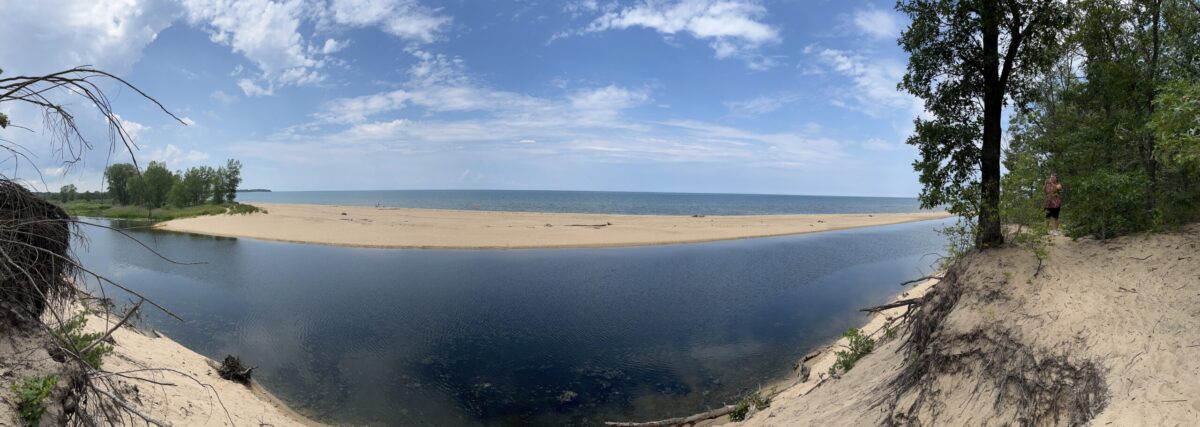
- Spending time outdoors — on trails, beaches, and harbors
- Learning the history of communities along Lake Huron
The Sunrise Coast fits this style well. Towns are smaller, distances are manageable, and the shoreline remains far less developed than Michigan’s western coast.
Start in Port Huron: The Gateway to the Sunrise Coast
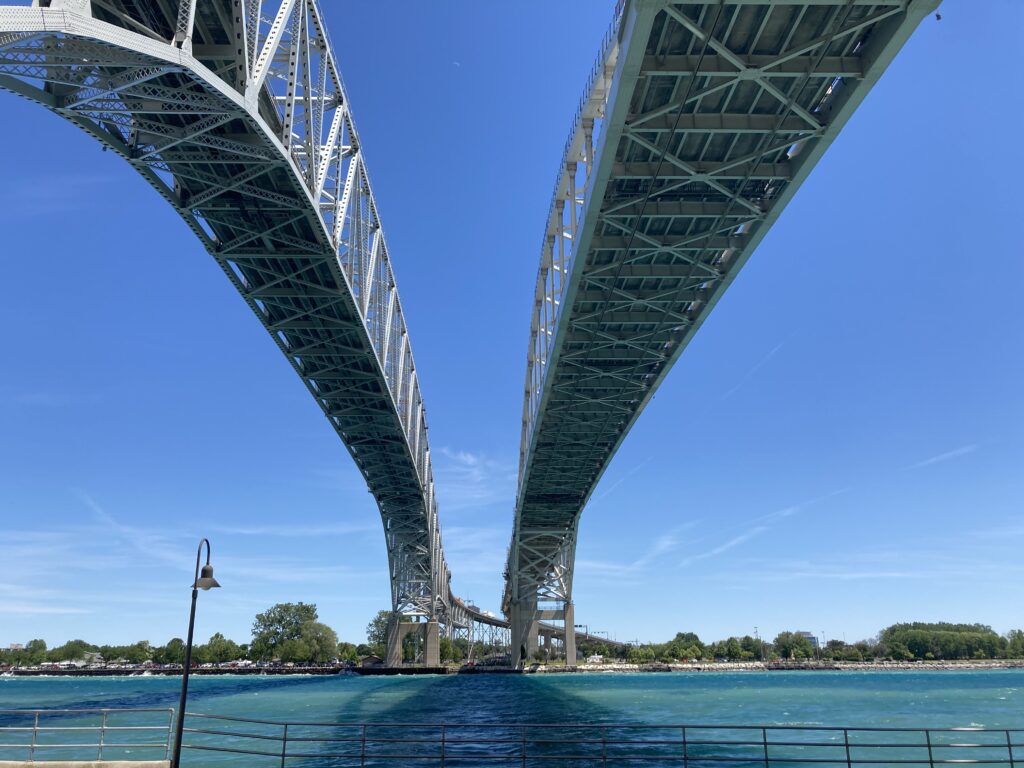
Most Sunrise Side journeys begin in Port Huron, where Lake Huron flows into the St. Clair River.
Here, slow travel might mean walking the Blue Water River Walk, watching lake freighters pass beneath the Blue Water Bridge, or touring Fort Gratiot Lighthouse, Michigan’s oldest working lighthouse.
The city also offers a reminder that this coastline has long been a transportation corridor. Shipping, railroads, and cross-border trade shaped the region for more than a century.
A traveler in a hurry might stop for an hour. A slow traveler might spend an afternoon simply watching ships move through the river channel.
Lexington: A Harbor Village That Rewards Patience
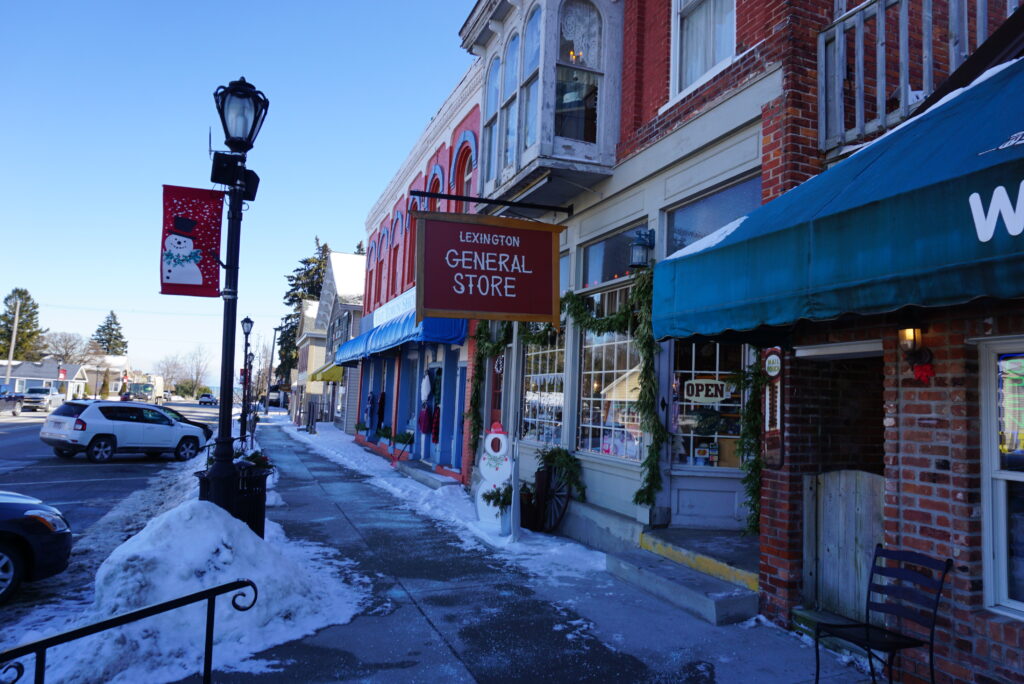
About 25 miles north of Port Huron sits Lexington, often called the “First Resort North.”
In the early 1900s, steamships from Detroit brought summer visitors to this harbor village. Many came for weeks at a time — a pattern that resembles today’s slow travel movement.
Today Lexington remains compact and walkable. Visitors often spend hours wandering the harbor, browsing small shops, or sitting on a bench along the breakwall.
Local restaurants and lake views encourage travelers to stay longer than planned — which is exactly the point.
Port Austin: Where the Thumb Turns North
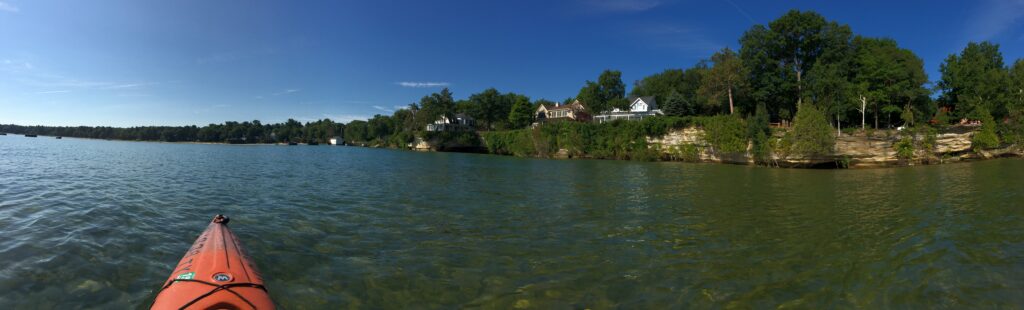
Further north, at the tip of Michigan’s Thumb, Port Austin offers one of the most distinctive stops on the Sunrise Side.
Slow travelers often arrive for a weekend and stay longer.
Reasons include:
- The Port Austin Farmers Market, one of Michigan’s largest outdoor markets
- Kayaking to Turnip Rock, a unique limestone formation in Lake Huron
- Exploring nearby state parks and quiet beaches
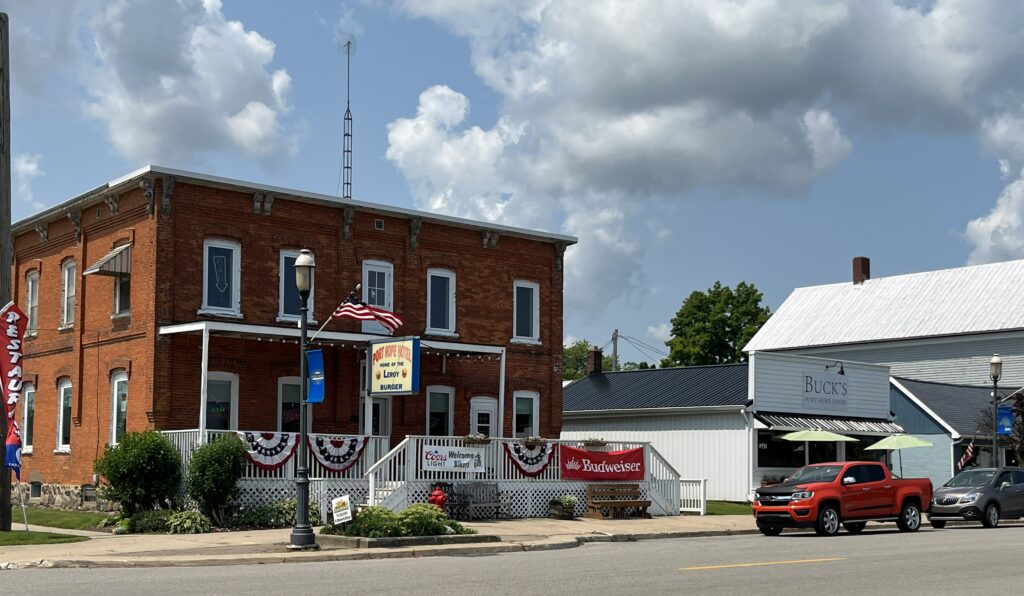
Port Austin also serves as a hub for exploring the Thumb’s smaller communities such as Caseville, Grindstone City, and Port Hope — towns with deep connections to fishing, shipping, and quarry industries.
Alpena: The Cultural Heart of the Sunrise Coast
About 150 miles north of Port Huron sits Alpena, the largest city on Michigan’s Lake Huron coast.
Here, slow travel takes on an educational dimension.
The Thunder Bay National Marine Sanctuary protects one of the world’s largest collections of shipwrecks. The Great Lakes Maritime Heritage Center tells the story of these vessels and the dangerous storms that sank them.
For travelers interested in Great Lakes history, Alpena offers a chance to spend several days learning about maritime trade, fishing fleets, and the industries that once dominated the region.
Why the Sunrise Side Still Feels Different
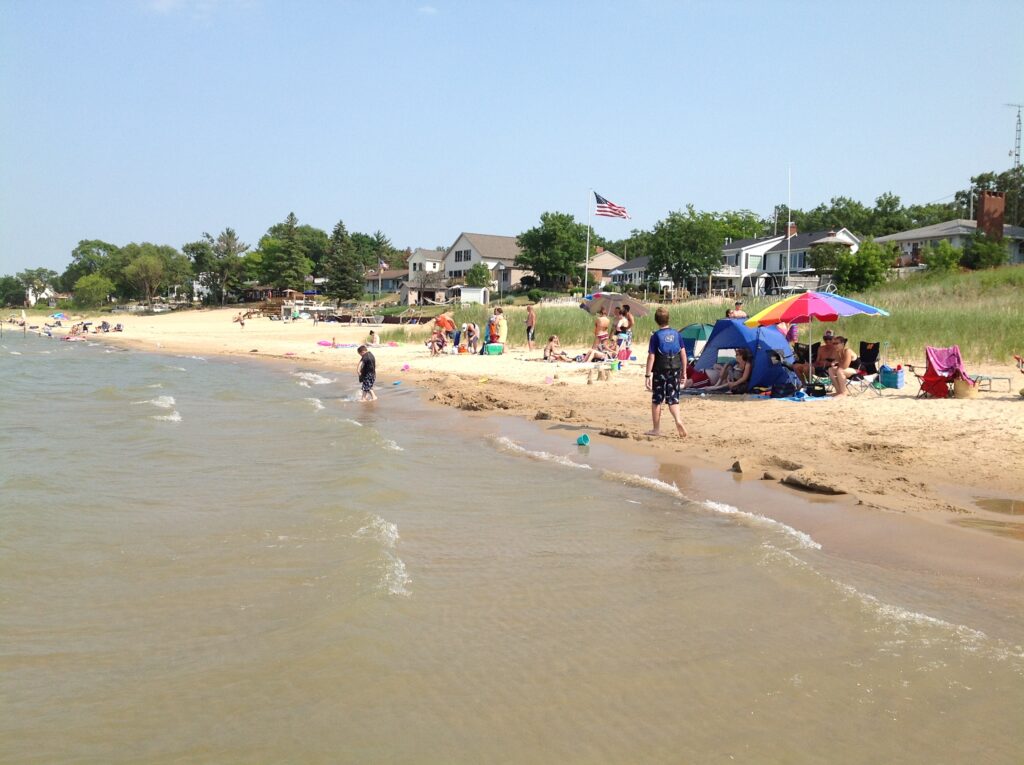
The Sunrise Coast remains quieter than Michigan’s better-known tourist corridors for several reasons:
- Fewer large resorts and national hotel chains
- Longer distances between major population centers
- A stronger emphasis on local culture and history
This relative isolation has helped preserve the character of many communities.
Visitors often comment that towns here feel more like working waterfronts than tourist attractions.
Ironically, that authenticity is exactly what many travelers are now seeking.
Planning a Slow Travel Route Along Lake Huron
A simple Sunrise Side itinerary might include:
Day 1: Port Huron and Lexington
Day 2: Drive north along M-25 through the Thumb
Day 3: Port Austin and Turnip Rock
Day 4–5: Alpena and Thunder Bay National Marine Sanctuary
Rather than covering hundreds of miles per day, the goal is to experience each town at its natural pace.
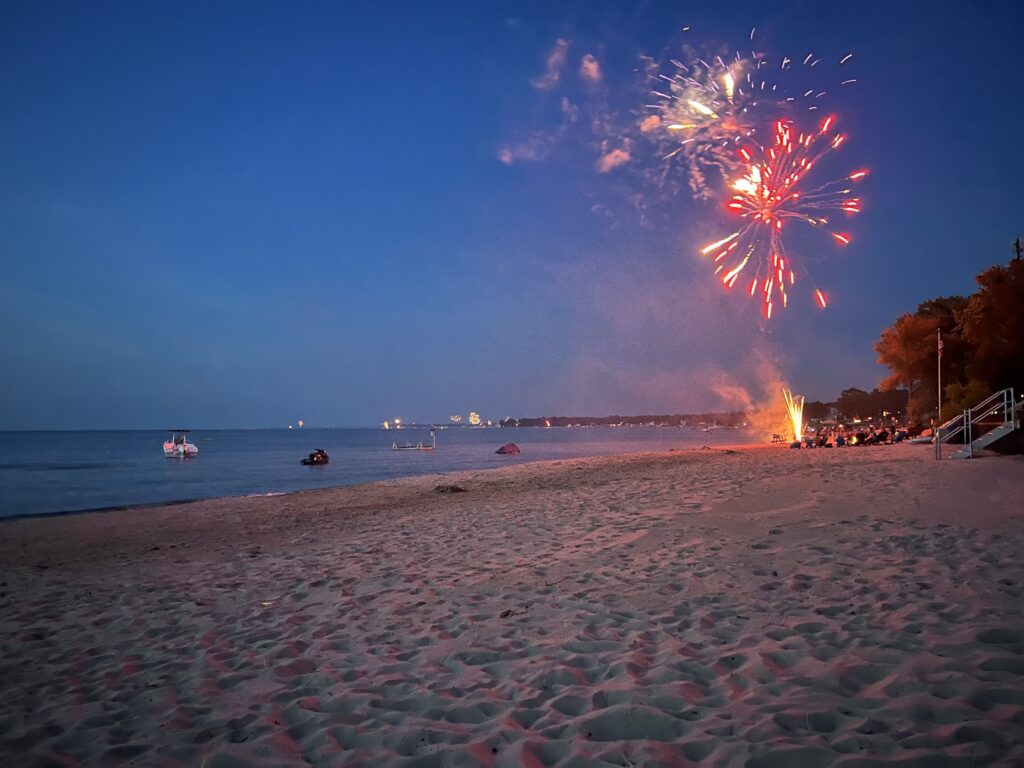
That might mean watching a sunrise over Lake Huron, talking with local shop owners, or simply walking a quiet harbor at dusk.
Slow Travel On Michigan’s Sunrise Side – A Coast Worth Taking Slowly
The Sunrise Side of Michigan may not offer the crowds or nightlife of other Great Lakes destinations. But that may be its greatest strength.
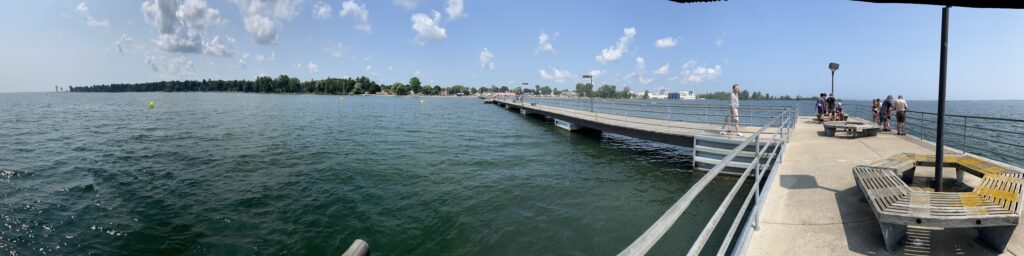
Here, visitors still find fishing boats tied to wooden docks, family-owned diners serving breakfast at dawn, and small harbors where the rhythm of Lake Huron sets the pace.
For travelers tired of rushed vacations and crowded resorts, slow travel along Michigan’s Sunrise Coast offers something increasingly rare: the chance to simply take your time.